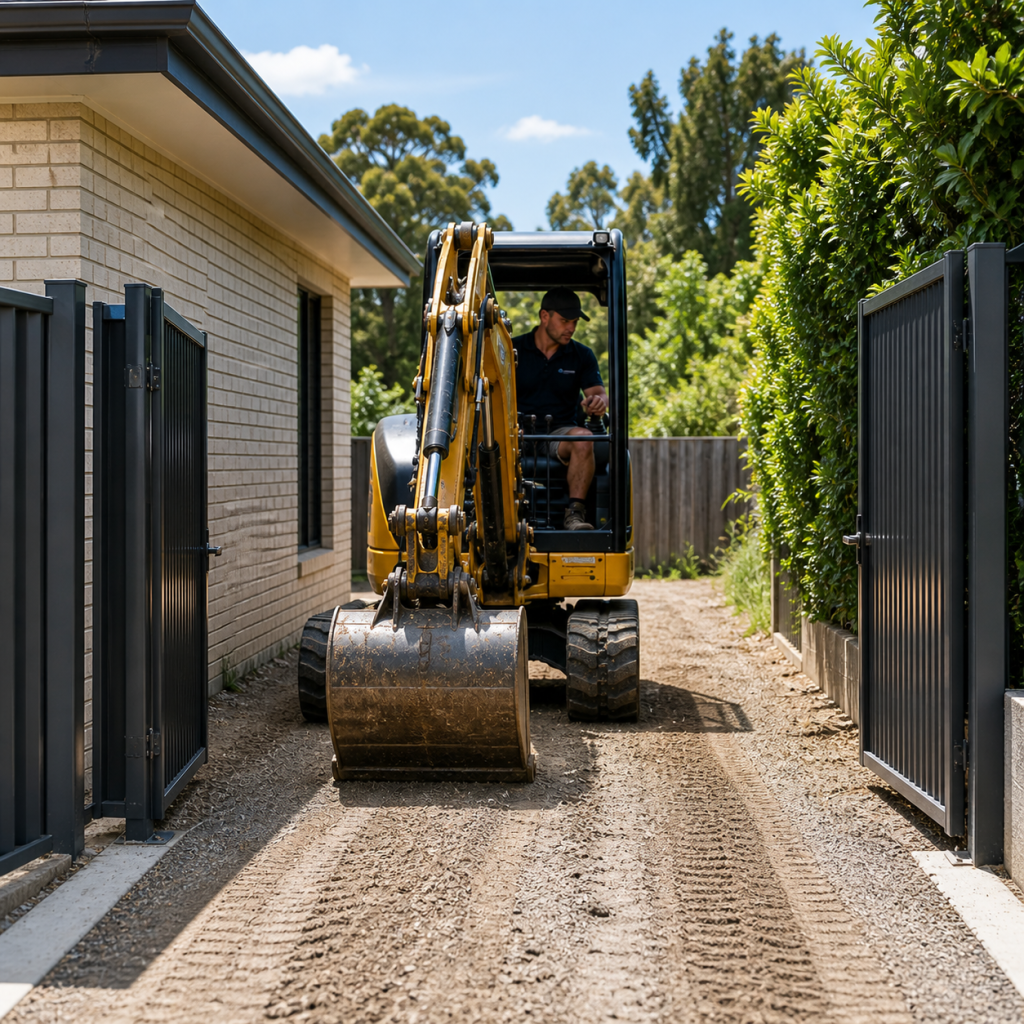
When planning a new swimming pool, most homeowners focus on the pool design, size and finish. But one of the most important parts of the construction process happens before the pool is even built: getting excavation machinery into the backyard.
In NSW, site access can affect the excavation method, construction timeline, soil removal process and overall project cost. This is why understanding your access early can help create a more accurate pool quote and avoid unexpected delays.
Why Backyard Access Matters Before Building a Pool
Access is one of the first things a pool builder needs to assess because excavation machinery needs a safe and practical path to reach the pool area.
If access is wide and clear, the excavation can usually be completed more efficiently with standard machinery. If access is narrow, sloped, blocked or restricted by fences, garages, retaining walls or neighbouring properties, a different excavation method may be required.
This can affect:
Project cost
Excavation time
Machinery selection
Soil removal
Site safety
Construction planning
Standard Access for Pool Excavation
For many residential pool projects, a standard excavation usually requires a clear access path of approximately 1.8 m to 2.0 m wide, depending on the equipment used.
A standard pool excavation may involve machinery such as:
4–5 tonne excavator
Bobcat or skid steer
Tipper truck access
Earthmoving equipment for soil removal
This type of access is usually the most efficient and cost-effective option because larger machines can move more soil in less time.
Suggested text for the blog:
As a general guide, a standard pool excavation may require around 1.8 m to 2.0 m of clear access for machinery to enter the backyard. However, every site is different, and the final access requirement depends on the pool design, soil conditions, slope, fences, structures and how the excavated material will be removed.
What Counts as “Clear Access”?
Clear access is not just about width. A pool builder will also check the full path from the street or driveway to the backyard.
Important access factors include:
Width: Is there enough space for machinery to pass through?
Height clearance: Are there eaves, pergolas, trees, clotheslines or overhead cables?
Ground condition: Is the access path flat, stable and safe for machinery?
Turns and corners: Can the machine turn safely without damaging walls, fences or landscaping?
Slope: Is the path steep or uneven?
Surface: Will machinery need to cross concrete, grass, pavers, tiles or a driveway?
Obstructions: Are there gates, retaining walls, steps, AC units, sheds or garden beds in the way?
What If My Backyard Has Tight Access?
Not every Sydney backyard has wide side access. Many homes have narrow side passages, sloping blocks, terraces, established landscaping or limited street access.
If the access is tight, the project may still be possible, but it may require a different approach, such as:
Mini excavator
Mini dumper
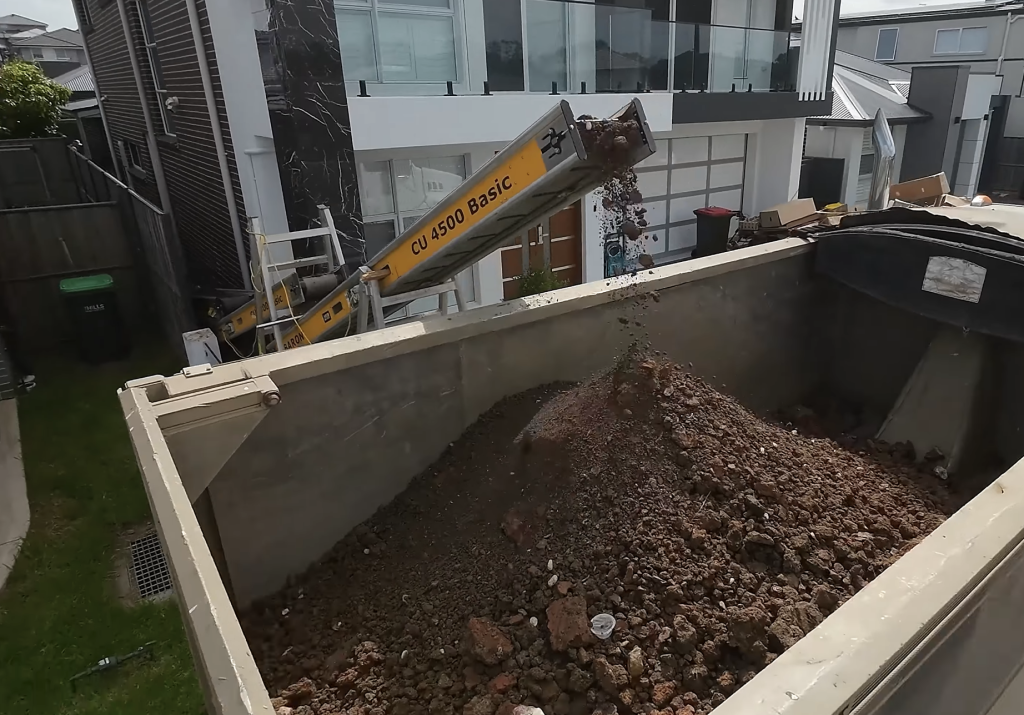
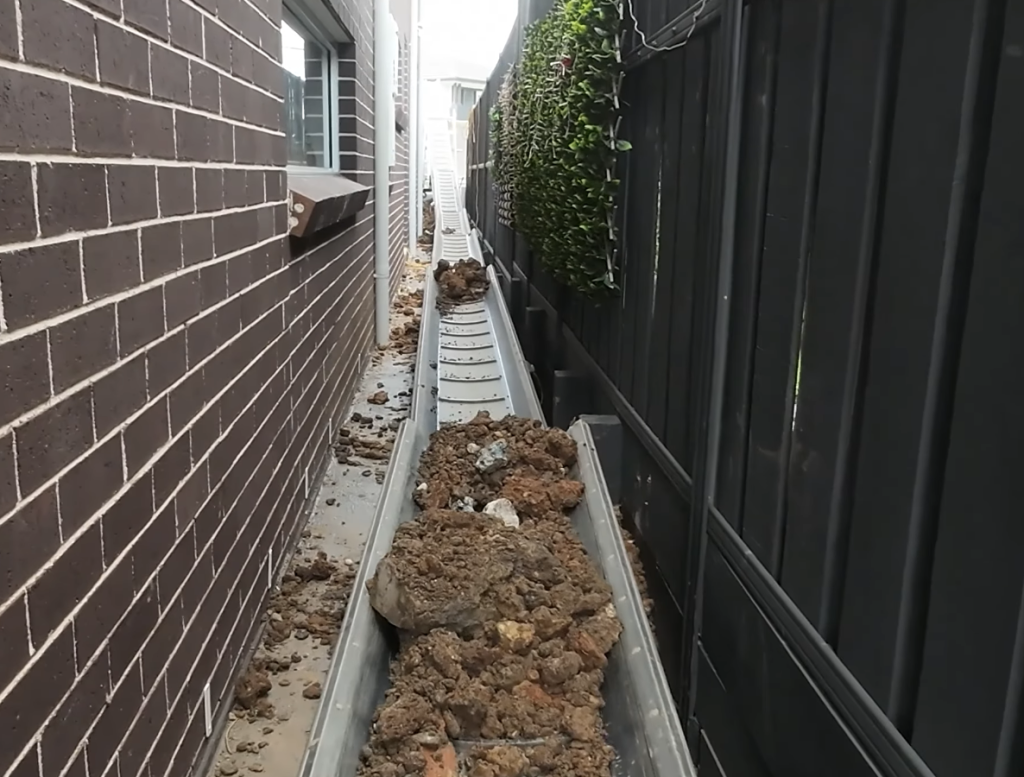
Conveyor belt system
Crane access
Manual excavation in some areas
Temporary fence or gate removal
Neighbour access approval, if available
Suggested text:
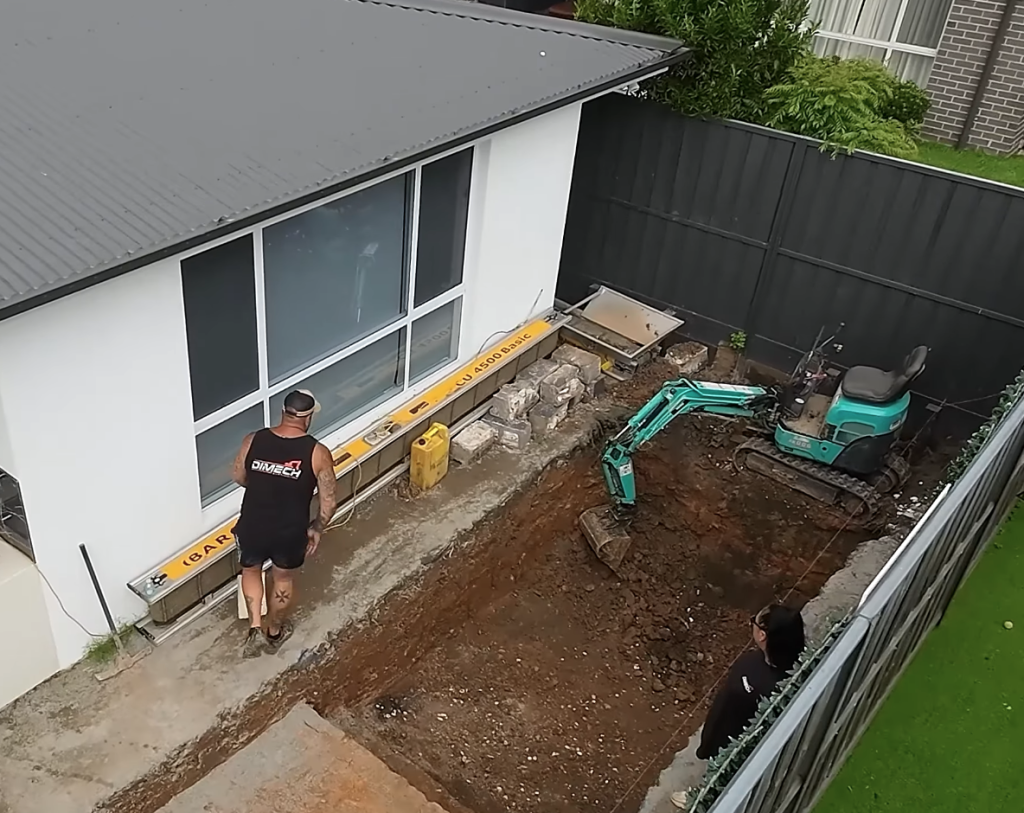
Limited access does not always mean you cannot build a pool. It simply means the excavation method needs to be planned more carefully. Smaller machines can often work in tighter areas, but they may take longer to complete the excavation and remove soil from the site.
Why Tight Access Can Increase Pool Excavation Costs
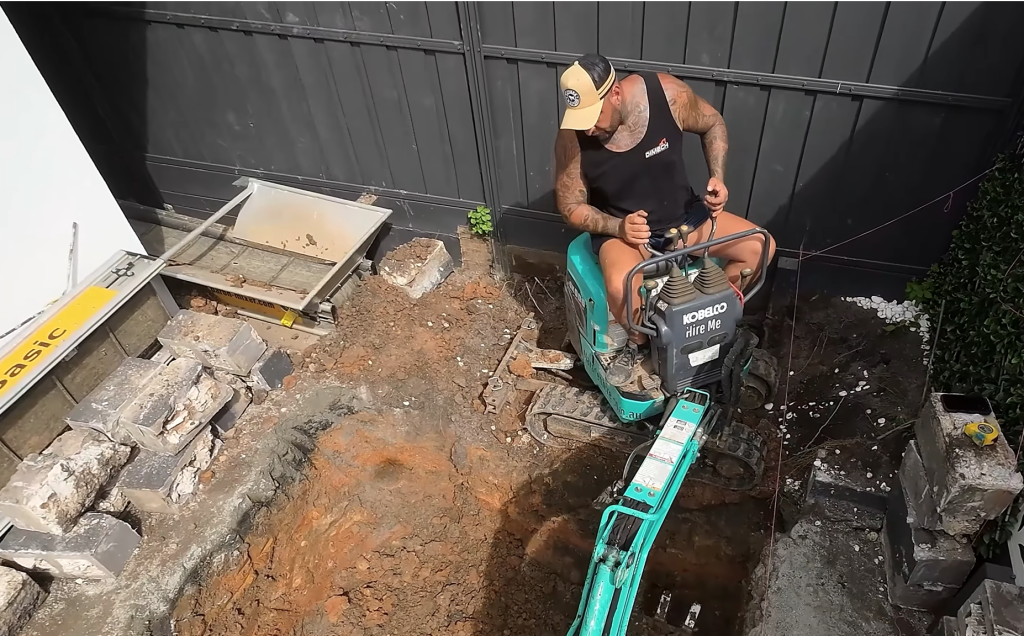
This is an important conversion section because it educates the client before the quote.
When access is limited, the excavation process can become more labour-intensive. Smaller machines move less soil per load, and extra equipment may be needed to transport soil from the backyard to the truck.
Tight access can increase costs because of:
More labour hours
Smaller machinery
Slower soil removal
Extra handling of excavated material
Conveyor or crane requirements
Additional site preparation
Possible fence, gate or landscape removal
Suggested paragraph:
A standard dig is usually faster and more cost-effective. A tight access dig may still be achievable, but it often requires more planning, smaller equipment and additional labour. This is why an accurate site inspection is essential before confirming the final pool price.
Suggested section:
Before requesting a pool quote, homeowners can help the team assess access by taking a few simple photos of the property.
Please include photos of:
CTA idea:
Not sure if your access is suitable? Send us a few photos and our team can help assess the best excavation option for your backyard.
Don’t Forget Underground Services
Before excavation starts, underground services must be considered. These may include:
Water pipes
Sewer lines
Stormwater drainage
Gas lines
Electrical cables
Telecommunications cables
In Australia, homeowners and contractors can use Before You Dig Australia to request information about underground infrastructure before excavation work begins. This helps reduce the risk of damaging essential services during construction.
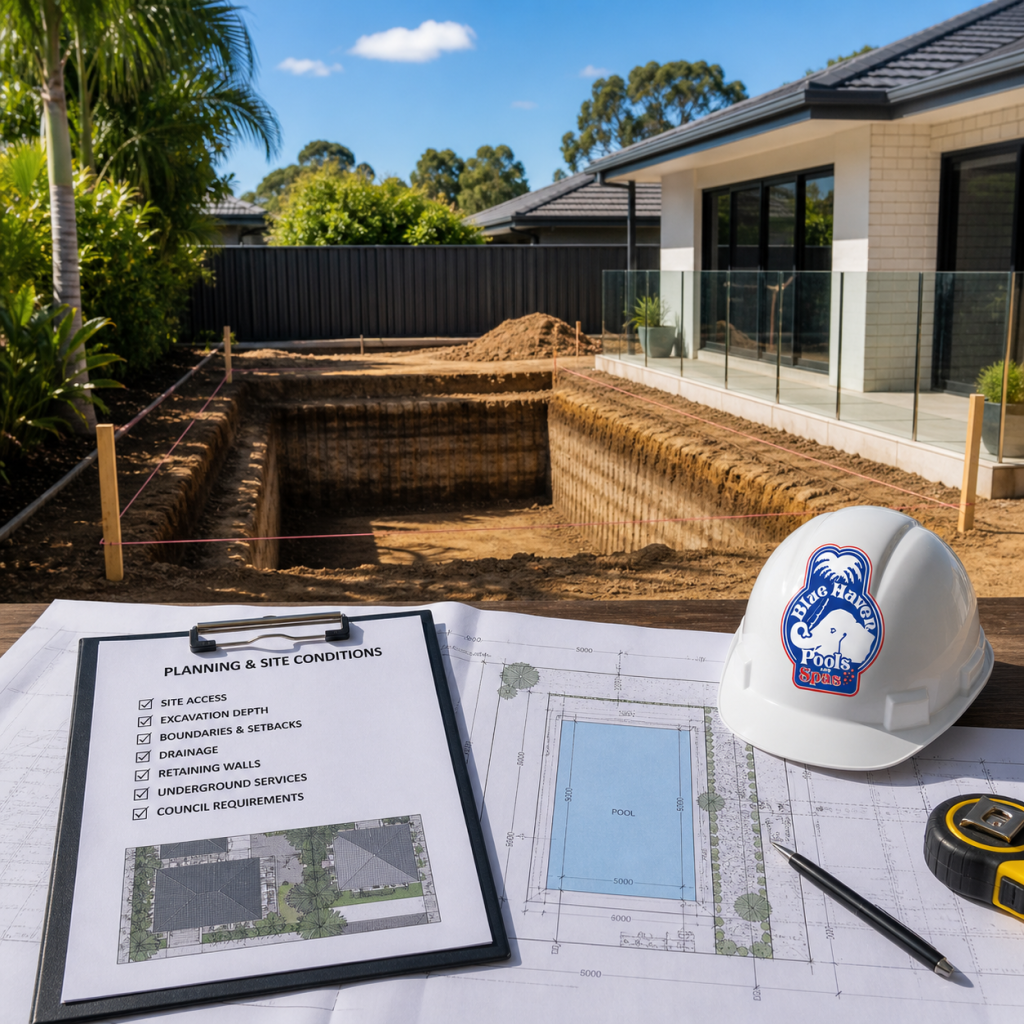
In NSW, swimming pools may be eligible for complying development if they meet the required standards. However, site conditions such as excavation depth, retaining walls, drainage, boundaries and structural support can affect what approvals are needed.
For this reason, homeowners should avoid assuming that every backyard is straightforward. A professional site assessment helps confirm:
Access requirements
Approval pathway
Excavation method
Drainage considerations
Retaining wall requirements
Pool placement and setback considerations
Excavation Access Explained – Croydon Park