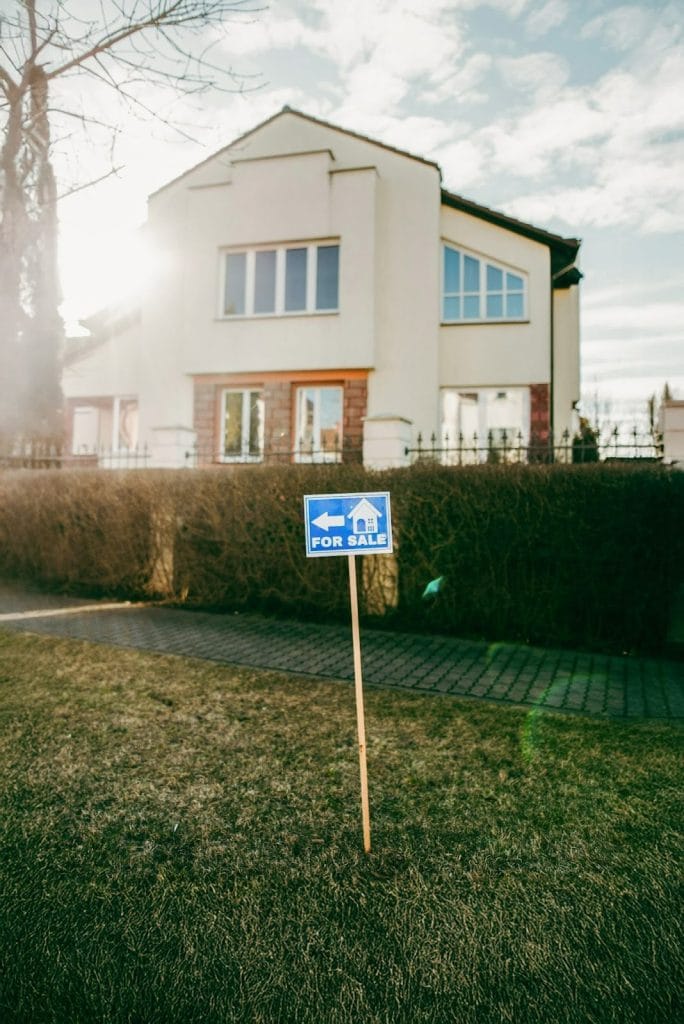
Buying a home with dreams of a pool is exciting.
Buying a home that can’t realistically take a pool without budget pain, redesigns, or regret? Not so exciting.
In 2026, pools are no longer an “add-on later” decision. They’re a planning decision—one that should influence what you buy, how much you offer, and whether the deal stacks up long-term.
If you’re buying a new house, vacant land, or planning a knock-down rebuild with a pool in mind, this guide will save you time, money, and some very expensive surprises.
The Biggest Mistake Buyers Make When Planning a Pool
Here it is, plain and simple:
They buy the house first and hope the pool will fit later.
By the time contracts are exchanged, access is locked in, levels are set, services are buried, and the budget is already stretched. That’s when pool costs “blow out”—not because pools are mysterious, but because the site was never assessed properly.
A pool-friendly property is not about yard size alone. It’s about access, levels, services, soil, and orientation.
Let’s break it down.
What to Look for When Buying a House With Pool Intentions
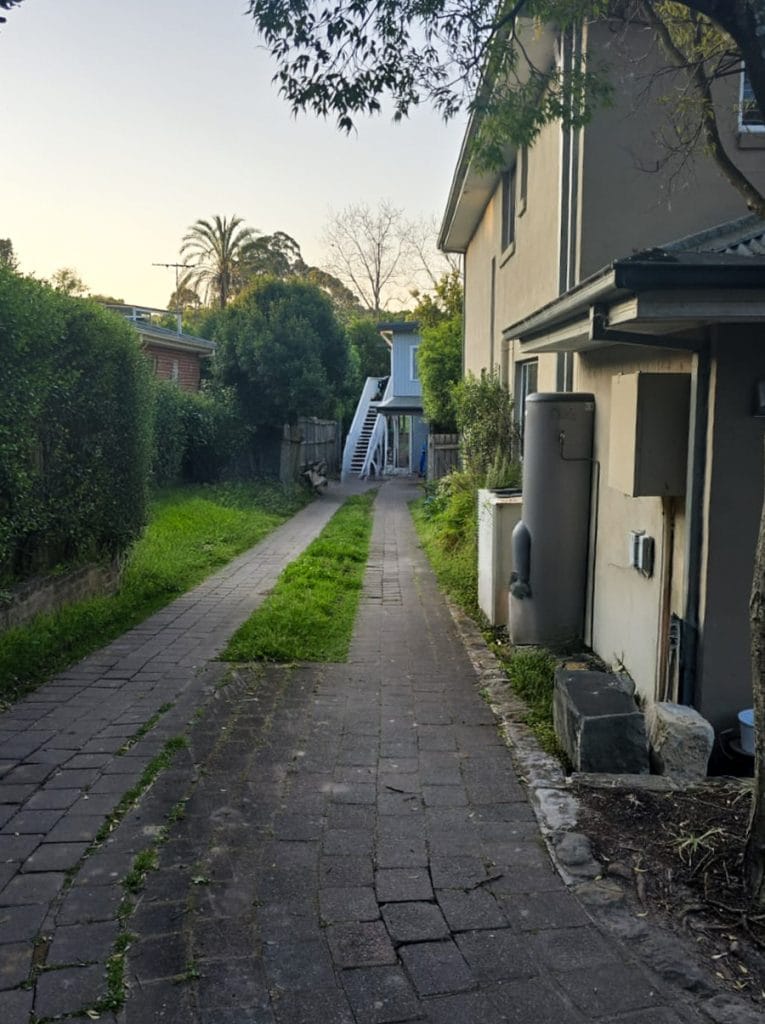
1. Backyard Access (This Is Non-Negotiable)
Access is the single biggest cost driver for pools in 2026.
Assess:
- Side access width (minimums matter)
- Height restrictions (eaves, powerlines, balconies)
- Distance from street to backyard
- Whether excavation machinery can reach the site
Restricted access doesn’t mean “no pool”—but it does mean higher cost if not planned for early.
Red flag: Narrow side access + no rear access + sloping block = premium build methods.
2. Block Levels & Natural Fall
Flat blocks are cheaper.
Sloping blocks are workable—but only if planned.
Check:
- How much fall exists across the yard
- Whether retaining walls will be required
- If the pool will sit above, below, or level with the house
In 2026, engineered solutions are common—but engineering costs money. Knowing this before you buy gives you leverage.
3. Underground Services (The Silent Budget Killer)
Many buyers assume services are marked on plans. They’re often not.
Look for:
- Sewer lines
- Stormwater
- Easements
- Domestic plumbing lines
- Electrical
Relocating services can cost thousands—and it’s far easier to factor that into your purchase price than panic later.
4. Soil Type & Rock Risk
Soil isn’t just a construction detail—it’s a cost multiplier.
Before making an offer:
- Review available soil reports
- Check if neighbouring properties encountered rock
- Understand your area’s geology
Rock excavation, piering, or engineered footings all impact pool pricing in 2026.
5. Orientation & Usable Space
A pool that gets no sun becomes an expensive cold bath.
Consider:
- North-facing yard (ideal)
- Overshadowing from neighbouring homes
- Realistic swimming space once setbacks are applied
- Where entertaining zones will actually sit
A smaller, well-planned pool often outperforms a larger, poorly placed one.
Pool Costs in 2026: What Buyers Need to Budget Before Purchase
Let’s talk numbers—because guessing is expensive.
Realistic Pool Costs in 2026 (Australia)
Fibreglass Pools
- From $25,000 – $40,000
- Best for accessible, flat blocks
- Limited size and shape flexibility
Concrete Pools
- From $35,000 – $55,000 (standard designs)
- $55,000 – $95,000+ for custom, architectural, or curved pools
- Premium finishes and complex sites: $100,000+
Costs Often Forgotten:
- Access solutions
- Rock excavation
- Retaining walls
- Service relocations
- Engineering
- Drainage and stormwater
- Landscaping integration
The question isn’t “Can I afford a pool?”
It’s “Have I priced the siteproperly?”
How to Assess Pool Costs Before Making an Offer
Smart buyers do this:
- Shortlist properties
- Get a high-level pool feasibility assessment
- Understand access, levels, and risks
- Factor realistic pool costs into the offer
- Buy with confidence—not hope
This approach prevents:
- Overpaying for the house
- Budget shock after settlement
- Compromising on design later
Why Planning Early Saves Tens of Thousands
When pool planning happens early:
- Design choices are smarter
- Costs are controlled
- The backyard works cohesively
- There’s no rushed decision-making
- You build once—properly
In 2026, the smartest buyers aren’t asking “How cheap can I get a pool?”
They’re asking “How do I avoid expensive mistakes?”
Final Word: Buy the House, But Think Like a Builder
A pool is one of the biggest lifestyle upgrades you can make—but only if the property supports it.
If a pool is part of your future:
- Assess access
- Understand levels
- Budget realistically
- Plan before you commit
Because the right house + the right planning = a backyard that delivers joy, value, and long-term satisfaction.
And that’s a much better feeling than a rushed quote after settlement.