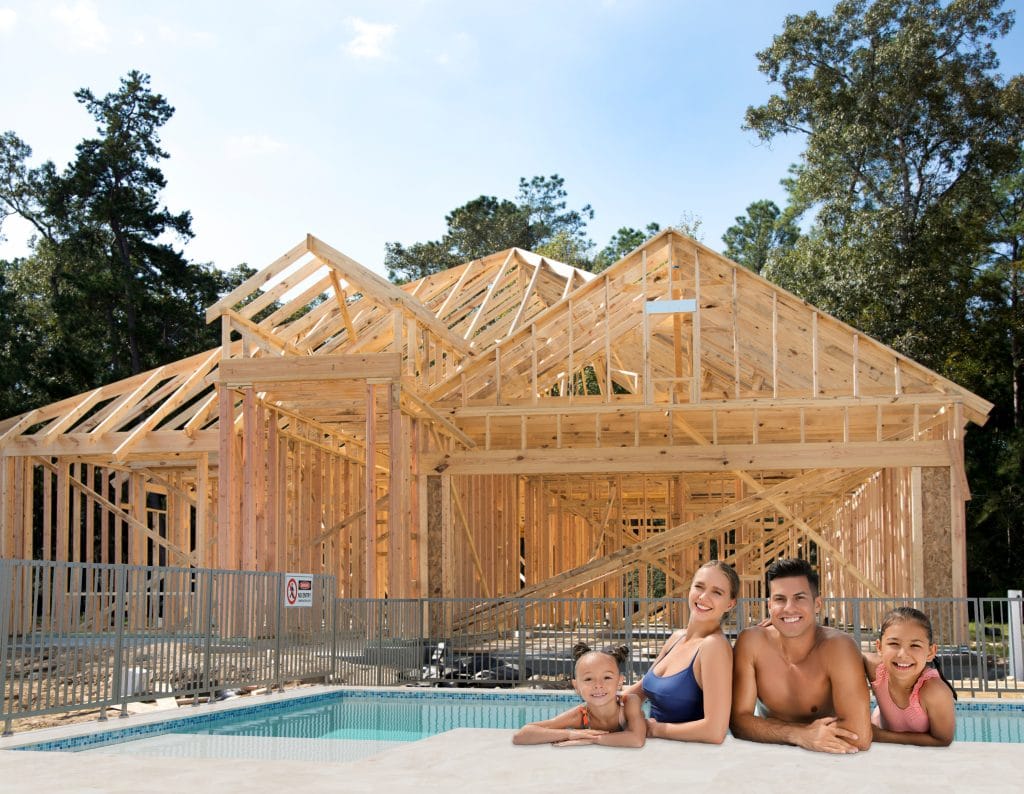
There’s a lot to think about, decide, and, most importantly, approve before you get to enjoy poolside barbecues and refreshing dips in your backyard. In New South Wales, installing a pool isn’t something you can dive into. From setbacks and zoning to council requirements and construction timelines, each stage requires the right permissions to be in place.
While approval may not be the most glamorous part of pool building, sorting it out early clears the path for everything that follows. Here’s what you need to know and how Blue Haven can help you avoid the usual delays.
Does Every Pool Need Approval?
Yes. Anything deeper than 300 mm typically requires formal approval. The method you’ll use depends on the location of your property and the design.
Option One: CDC (Complying Development Certificate)
A CDC offers a streamlined approval path through a private certifier. This method is ideal for properties with standard conditions where your pool design complies with all setback, height, and zoning regulations, as it skips council assessment entirely and typically proceeds faster.
Most fibreglass pools fall neatly into this category, and many concrete designs do, too, provided they don’t involve complex retaining or unusual site conditions. With everything in place, including a site plan, engineering details, and BASIX certification, you might be looking at a four- to six-week turnaround.
Option Two: DA (Development Application)
If your site falls under special categories like a flood-prone overlay, bushfire zone, or heritage listing, you’ll need to go through the Development Application process via your local council. This route usually involves a bit more back and forth. You’ll likely need extra reports, such as shadow diagrams or stormwater management plans.
Blue Haven’s team handles both types of approvals and can advise early on which path suits your property so you won’t waste time preparing documents for the wrong process.
What Slows the Process Down?
Delays occur when plans don’t align with reality or when minor oversights trigger revisions. Common culprits include:
- Outdated or incomplete site surveys
- Not enough clearance from structures or boundaries
- Missed easements or stormwater concerns
- Conflicting information across your planning documents
At Blue Haven, every design is thoroughly reviewed and checked before submission. If something is unclear, such as an unregistered easement or a sloping block, we’ll flag it early, as these are often the reasons applications bounce back and forth.
While fibreglass pools arrive as one pre-formed shell, concrete pools are built on-site. But both require approval in the same way. In construction terms, you might still hear people refer to the reinforced base of a concrete pool as the “shell”, especially once steelwork and concrete spraying are complete. For more intricate concrete designs that tie into landscaping or structural retaining, additional documentation may be required, which Blue Haven can coordinate in-house.
Keep Things Moving During the Wait
Approval might take a few weeks, but that doesn’t mean your project has to sit still. This is the ideal time to make decisions about fencing, lighting, or material selections. When those choices are made early, there’s less risk of delays once ground is broken.
If you’re still refining your layout, Blue Haven’s gallery offers plenty of design inspiration, as well as a range of pool coping options. Locking in these details upfront gives our team time to coordinate lead times, avoid substitutions, and align the finish with the surrounding landscape.
Mid-Project Tip: Don’t Let Approval Timelines Slow Your Build
While your application is being processed, you can start planning for installation. Our pool package deals page outlines exactly what’s involved at each stage, from excavation to finishing, so you know what to expect and when.
Common Questions
Can I begin work before approval is granted?
No. Any excavation, deliveries, or even clearing should wait. It’s not worth risking a stop-work notice.
How long does a CDC take?
If your documents are ready and the certifier has capacity, four to six weeks is typical. It can move faster in quieter months.
Do I have to notify my neighbours?
Not with a CDC. With a DA, the council will often notify adjoining properties as part of the formal process.
What if my land is on a slope or in a bushfire zone?
Those conditions usually require additional reports, such as geotechnical assessments or bushfire overlays. Blue Haven will let you know exactly what’s needed and line up the right consultants.
Your Next Step Starts Here
If you’re unsure where to start or want to check, you’ll find quick, practical answers in Blue Haven’s fact sheets. For zoning-specific details, the NSW Planning Portal is another helpful reference.
Contact Blue Haven to help you map out the clearest path with no time wasted. Our planning and approvals team ensures that things run smoothly, so as soon as your approval is received, your project is ready to proceed.